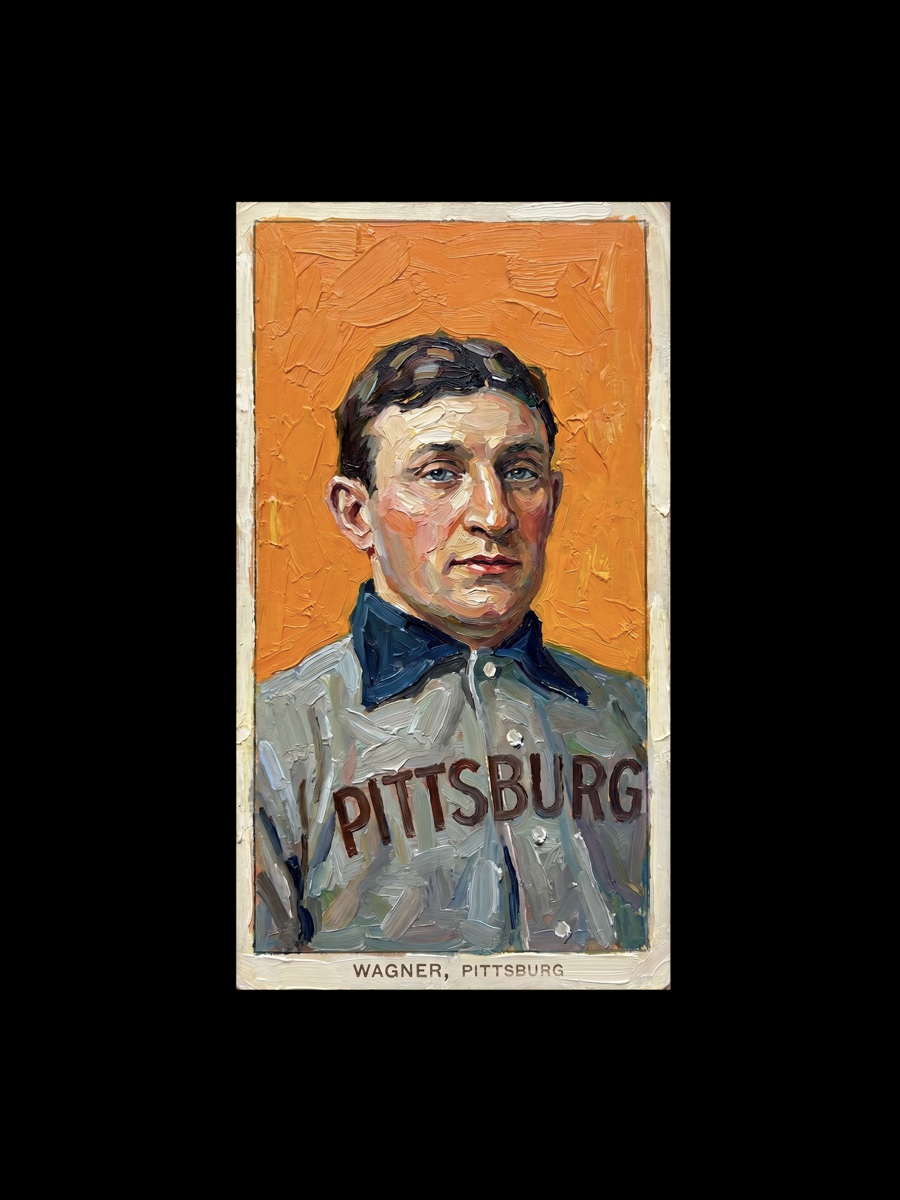
The T206 Honus Wagner Was a Cigarette Freebie Nobody Kept
How a tobacco-era baseball card became the most famous card in sports collecting.
Before the Honus Wagner card became a multi-million-dollar collectible, it was a marketing giveaway.
The card was part of the T206 baseball-card set, distributed with tobacco products in the early 1900s. It was small, easy to damage, and never intended to sit inside a protective case. People handled them, traded them, folded them into pockets, and, in many cases, threw them away. At the time, nobody was treating these cards like future investments which turned out to be a huge mistake.
Not Exactly Kid-Friendly Packaging
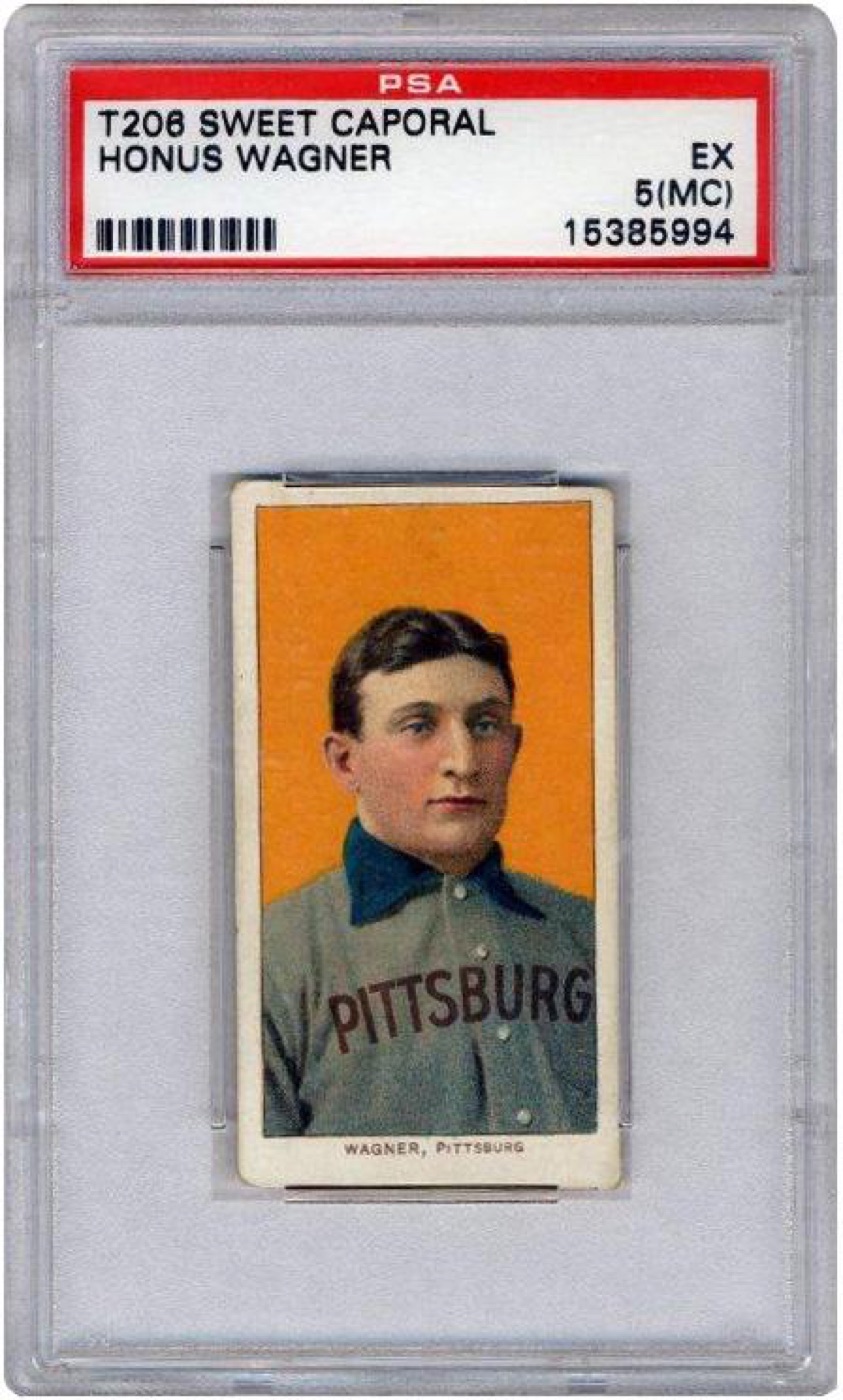
The Wagner card came from a very different collecting world than the one we know today. The American Tobacco Company included baseball cards in cigarette packs as a promotional tool. The cards helped sell tobacco, while baseball helped sell the cards. It was a simple marketing strategy during a period when baseball was becoming America's national pastime.
Unlike modern releases designed for collectors, these cards were everyday objects. They were handled, carried around, and often discarded once they had served their purpose.
More than a century later, that casual treatment became part of their value.
Gone Before It Got Comfortable
Honus Wagner was already one of baseball's biggest stars, but his card became famous for a different reason.
The card was removed from production early, although historians still debate exactly why. The most popular explanation is that Wagner objected to having his image used to promote tobacco products. Another theory suggests a disagreement over compensation. Whatever the reason, production stopped. That created the combination collectors love most: rarity with a backstory.
The Hobby's Favorite Rumor
Long before most collectors saw a Wagner card in person, they had heard about it, because it had already appeared in hobby magazines, price guides, auction catalogs, and collector conversations. The card developed a reputation that extended far beyond its actual population.
For many collectors, finding a Wagner became the ultimate fantasy.
Part of that reputation comes from timing. Early baseball cards were not preserved with future value in mind. They ended up in drawers, attics, boxes, and trash bins. Most disappeared through ordinary use. The surviving Wagner cards became symbols of what was lost.
The Market Kept Raising Its Hand
As prices climbed, the Wagner became more than a rare card. Each major sale generated attention because it pushed the market higher and reinforced the card's status as the hobby's biggest name. What started as a tobacco insert evolved into one of the most recognizable collectibles in the world.
In 2022, a T206 Honus Wagner sold privately for $7.25 million.
The number was significant not only because of the price, but because it showed how seriously the market now treated sports cards. A piece of cardboard originally included with cigarettes had entered the same conversation as major collectibles, fine art, and historic memorabilia.
The Little Thing That Ran the Room
The Wagner remains important because it sits at the center of the hobby's history. It combines rarity, baseball history, early American advertising, and more than a century of collector demand. Few objects check all those boxes at once.
Collectors are not simply buying a picture of Honus Wagner, they are buying one of the hobby's defining stories.
That is why the card continues to attract attention generation after generation. Plenty of cards are rare. Plenty of cards are valuable.
Very few became the card everyone else measures themselves against.