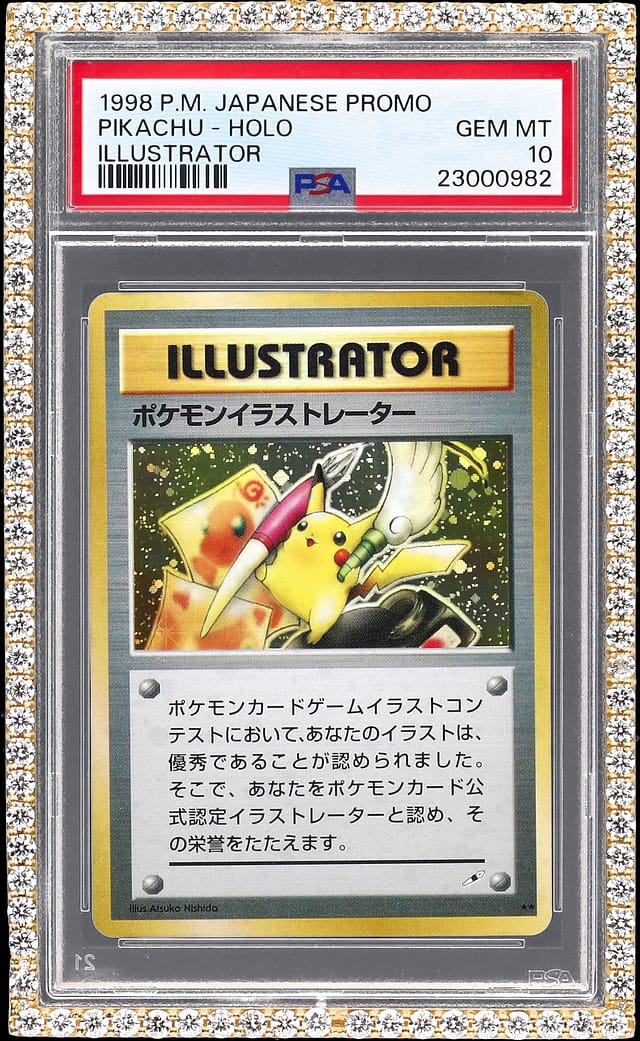
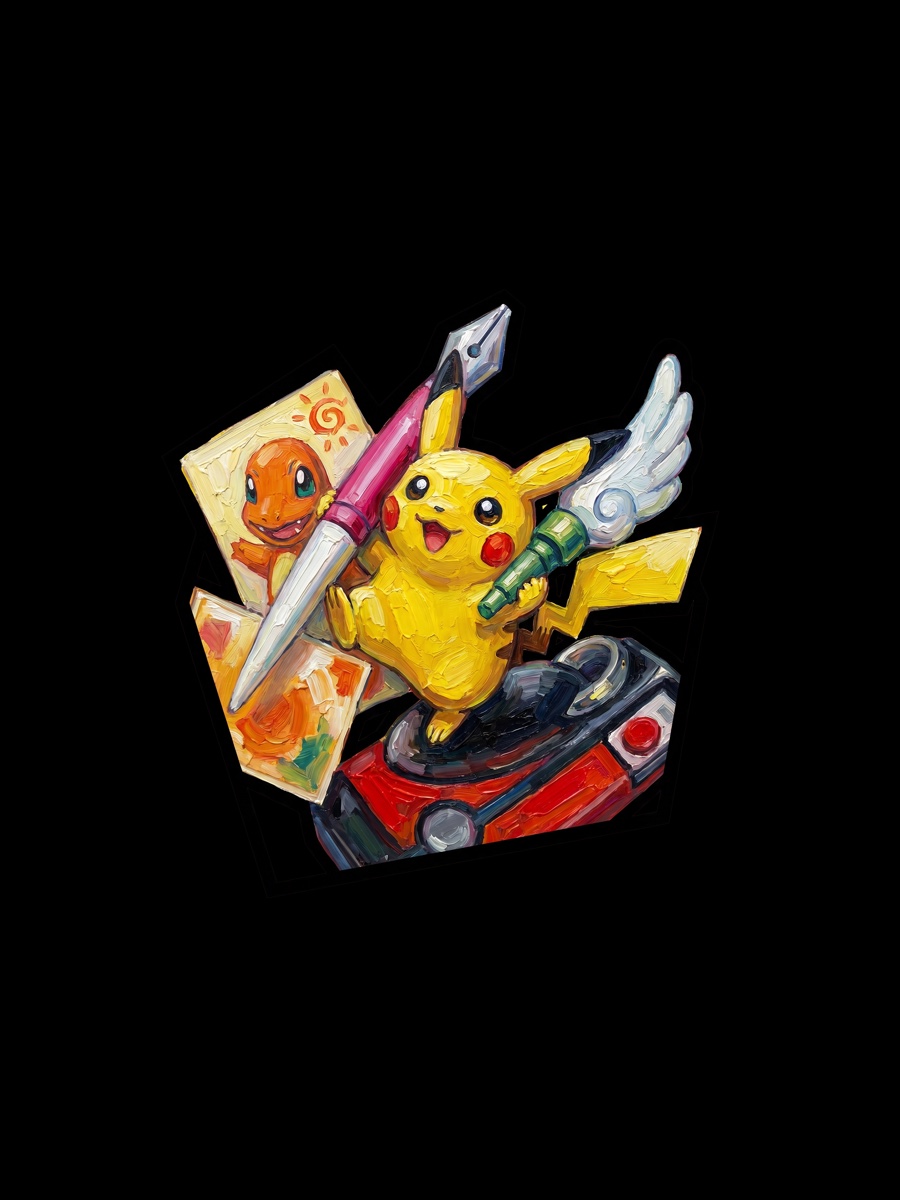
Pikachu Illustrator Was a Contest Prize. Then Logan Paul Wore It.
How a piece of cardboard became a celebrity artifact, a status symbol, and a global spectacle.
Before the Pokémon card became a headline, before it was linked to multimillion-dollar valuations, and before it hung around the neck of one of the world's biggest internet personalities, it was already something else: a collective memory.
Millions of people who grew up with Pokémon remember opening packs, trading cards on school playgrounds, and chasing rare pulls that felt almost mythical. The card that eventually became known as “the Pokémon card that broke the internet” carried that nostalgia into a new era where attention, scarcity, and celebrity could combine into something much larger than a collectible.
A Card with a Legend Attached

The centerpiece of the story is the Pikachu Illustrator, a promotional card awarded in the late 1990s through illustration contests in Japan. It is widely regarded as one of the rarest and most sought-after Pokémon cards ever produced. Only a small number are known to exist, and even fewer have survived in top condition.
The Logan Paul Effect
Logan Paul didn't just buy the card. He turned it into an event.
After acquiring a high-grade Pikachu Illustrator card, he wore it publicly during major appearances, including professional wrestling events, transforming a collector's item into a highly visible piece of personal branding. The image spread across social media, news outlets, YouTube, and mainstream entertainment coverage.
The card was no longer just a trading card. It had become a symbol.
From Cardboard to Cultural Artifact
The most interesting part of the story is that the card itself did not change. What changed was the context around it.
A rare Pokémon card became a social media phenomenon because it sat at the intersection of gaming culture, nostalgia, celebrity, and modern internet economics. In the process, it crossed from a specialized hobby into mainstream cultural awareness.
The Lasting Impact
The internet didn't break because of a Pokémon card. It broke because a Pokémon card became a perfect internet story.
It was rare enough to feel mythical, familiar enough to feel personal, and public enough to become a shared spectacle. Logan Paul provided the spotlight, but the audience supplied the meaning.
The card eventually became famous not just for its rarity, but for what it ultimately sold for. In 2026, the PSA 10 Pikachu Illustrator card was sold at auction for $16.492 million, setting a Guinness World Record as the most expensive trading card ever sold. The number didn’t just reflect the card’s condition or rarity; it reflected the entire cultural weight that had built around it.
At that point, it was no longer just a Pokémon card in circulation within a hobby market.
It had become something closer to a cultural artifact, an object whose value was shaped as much by internet attention, celebrity visibility, and collective nostalgia as by the cardboard it was printed on.
And that is why a small piece of cardboard became one of the most recognizable collectibles in the world.
Not because it was made of anything extraordinary.
But because it became a story, millions of people were watching in real time, all the way to a record-breaking final price.