Michael Jordan's Finals Jersey Is Laundry. It Sold Like a Rothko.
How Michael Jordan’s 1998 NBA Finals jersey turned game-worn fabric into a cultural artifact.
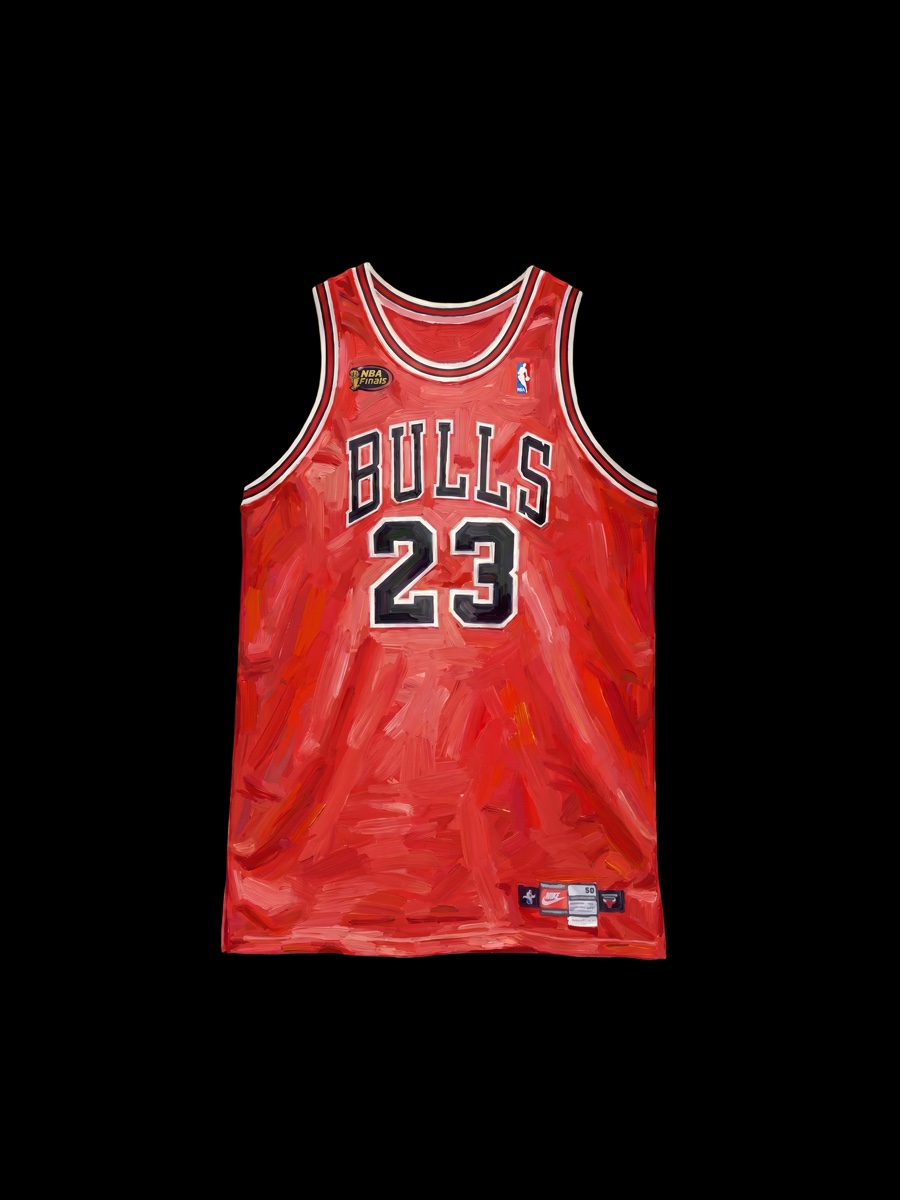
Michael Jordan’s 1998 NBA Finals Game 1 jersey was not made to be preserved.
It was made to be worn under arena lights, soaked through during competition, packed away after the game, and eventually replaced by another jersey. On the surface, it was a red Chicago Bulls uniform with Jordan’s name and number 23 on the back, but the history of it changed everything about it.
The jersey came from Jordan’s final championship run with the Bulls, the season now remembered as The Last Dance. It belonged to the opening game of the 1998 NBA Finals, the beginning of the final act of one of the most famous careers in sports.
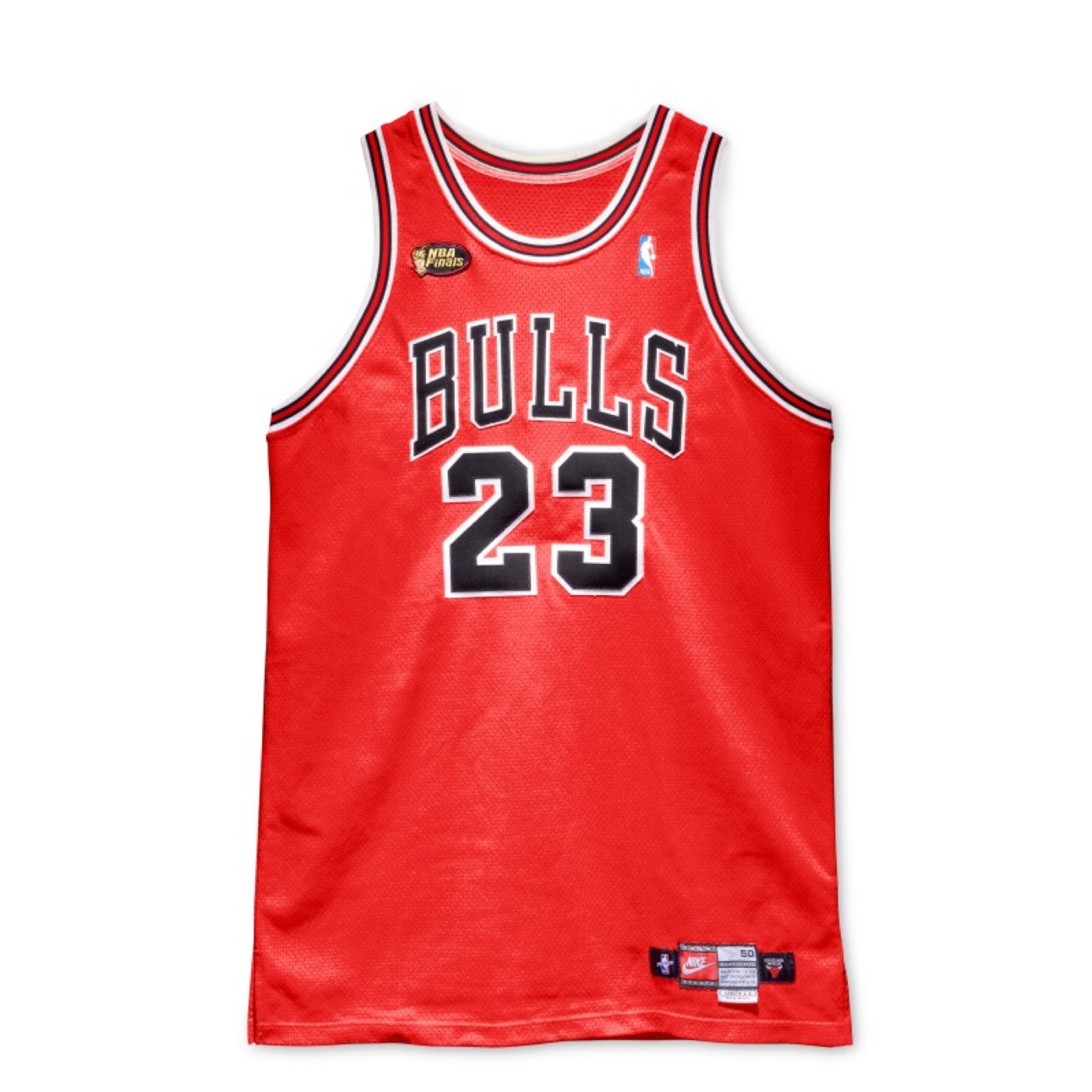
That is why the market did not treat it like clothing. It treated it like evidence.
It’s Just a Jersey. Until It Isn’t.
The first strange thing about the object is how ordinary it looks without context.
It is fabric, stitching, letters, and a number. It is not made from rare material. It was not designed to sit behind glass. It was part of a working uniform for a basketball player during a basketball game.
This jersey mattered because it was physically connected to the start of Jordan’s final NBA Finals with the Bulls. The Bulls lost Game 1 to the Utah Jazz in overtime, but the series became the closing chapter of the Chicago dynasty. Jordan would go on to win his sixth championship and sixth Finals MVP.
The Sale That Repriced Sweat
In September 2022, the jersey sold at Sotheby’s for $10.091 million.
The result made it the most expensive game-worn sports memorabilia ever sold at the time and the most expensive Michael Jordan item ever sold at auction.
That number is what pushed the sale beyond the sports-collector world.
A jersey crossing the $10 million line forced a wider audience to pay attention. It showed that the top end of sports memorabilia was no longer being priced like a niche hobby. It was being priced like cultural property.
The buyer was not simply paying for a shirt. They were paying for Jordan, the Bulls dynasty, The Last Dance, the NBA Finals, the number 23, and the ability to own something physically present at the start of the final chapter.
The Public Had Already Seen It
The jersey also had a strong visual record.
Sotheby’s noted that it appeared on the cover of Sports Illustrated after the 1998 NBA Finals and was featured heavily in the final episode of The Last Dance. That matters because widely circulated images strengthen provenance.
A jersey connected to photographs, magazine covers, and documentary footage is easier for the public to understand and easier for the market to trust. The object already had a place in memory before it reached auction.
Memory Became the Asset
The most important part of the sale is that the jersey did not become valuable because of the fabric. It became valuable because the market could agree on the story.
Jordan’s final Bulls season is one of the clearest narratives in modern sports: the last run, the sixth title, the last shot, the end of a dynasty. The jersey carried that story in a form that could be authenticated, displayed, and sold. The day a jersey became art was not the day someone decided fabric was beautiful.
It was the day the market treated a game-worn object like a cultural artifact.
The Number Still Moves Markets
The sale also proved how durable Jordan’s market remains.
Nearly 25 years after the 1998 Finals, his objects were still setting records. That says something about the way certain athletes move beyond sport. Jordan is not remembered only through statistics. He is remembered through images: the shoes, the jersey, the number, the pose, the shot. That visual clarity gives his memorabilia unusual power. Collectors know what they are looking at immediately and so does everyone else.