

Picasso Stopped Being a Painter and Became a Price Index
How Picasso became more than an artist in the auction market, and why his name still moves money.
More than half a century after Picasso’s death, his name remains one of the strongest forces in the art market. It appears everywhere: evening sales, museum exhibitions, private collections, print auctions, estate dispersals, and record-setting headlines. A Picasso can take many forms; a painting, a drawing, a ceramic, a print, but the name attached to it carries a weight few artists have ever achieved.
Collectors are not simply buying an artwork. They are buying into one of the most recognizable names in cultural history.
The Signature Still Works
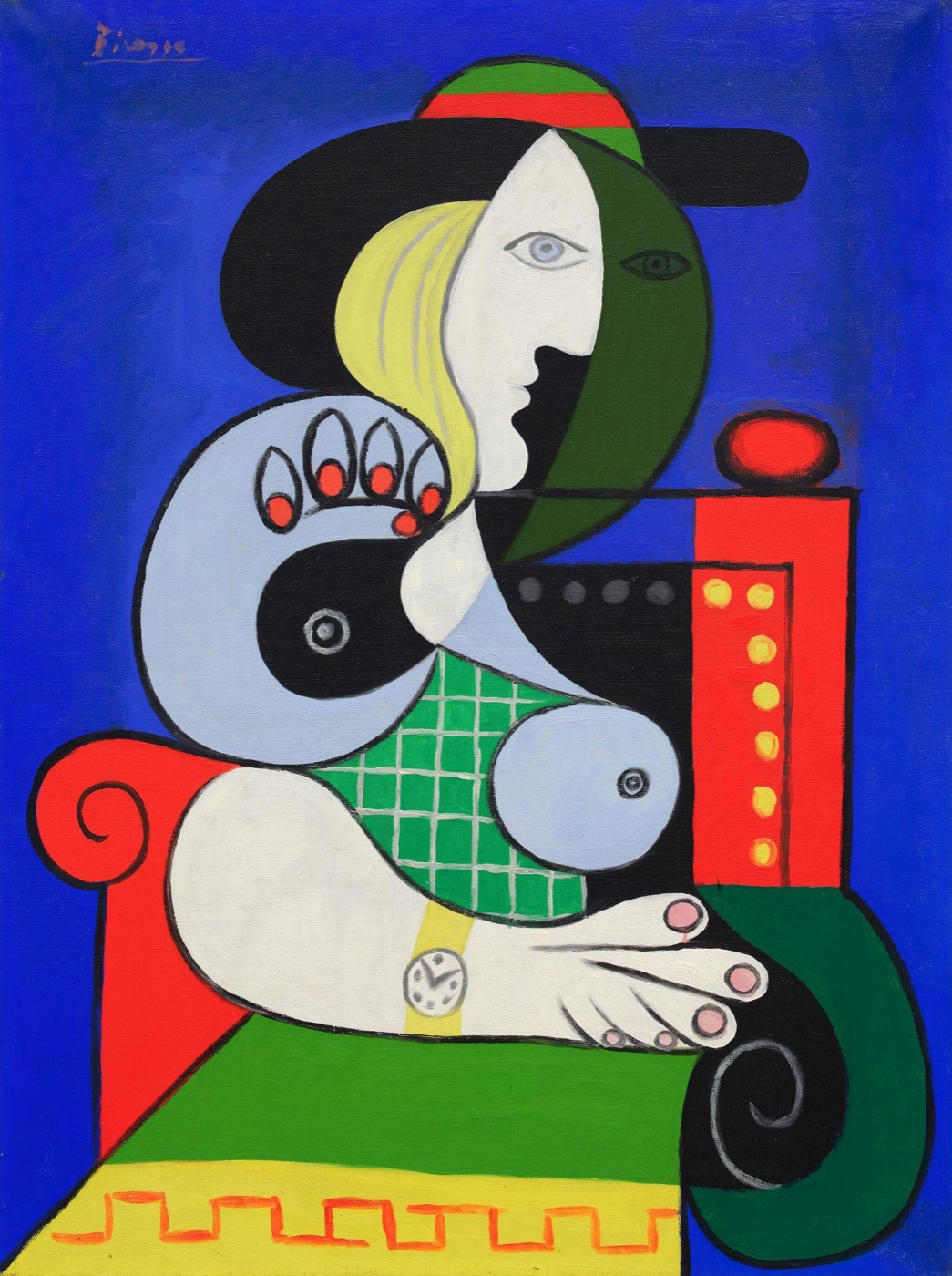
Few signatures in art carry the same immediate recognition as Picasso's.
For many artists, value requires explanation. Buyers need to understand the movement, the historical context, or the significance of a particular period. Picasso often arrives with that context already built in. His name is tied to modern art itself, making it instantly familiar to collectors, institutions, and even people with little involvement in the art world.
Of course, not every Picasso commands the same attention. The market distinguishes between major paintings and minor works, rare masterpieces and more accessible editions. Yet even at different price levels, the name provides a foundation of confidence.
Collectors know they are participating in a market with decades of demand, scholarship, and global recognition behind it.
Too Many Picassos to Ignore
One reason Picasso remains so resilient is the sheer breadth of his output. Across a career that spanned more than seven decades, he moved through multiple artistic phases and worked in a remarkable range of media. Blue Period paintings, Rose Period works, Cubist experiments, portraits, ceramics, prints, drawings, and late-career pieces all occupy different corners of the market.
Major collectors compete for museum-quality paintings worth tens or hundreds of millions of dollars. Institutions pursue historically significant works. New collectors often enter through prints or ceramics. Unlike artists whose markets depend on a narrow body of work, Picasso's market functions across multiple categories simultaneously.
His career produced enough material to support an ecosystem rather than a single collecting niche.
The Name Opened the Door First
At the highest level of the market, Picasso remains one of the few artists capable of creating a global auction event.
In 2015, Les femmes d’Alger (Version ‘O’) sold at Christie’s for $179.4 million, setting the auction record for any artwork at the time. The sale demonstrated that Picasso was not merely a historical giant; he was still capable of commanding prices that reshaped an entire auction season.
In 2023, Femme à la montre sold at Sotheby’s for $139.4 million, becoming the most valuable artwork auctioned that year and one of the highest-priced Picassos ever sold.
Results like these reinforce a simple reality: Picasso does not require periodic rediscovery to remain relevant. When an exceptional work appears, the market responds.
The Name Was Not Free
The value of a Picasso is shaped by far more than the image itself.
Period, subject matter, medium, scale, condition, provenance, exhibition history, and rarity all influence price. A celebrated portrait from the early 1930s occupies a very different market from a late ceramic or an editioned print. Yet the artist's name creates a premium before any of those factors are considered.
Collectors view Picasso as a market with depth and longevity. There is a global buyer base, extensive scholarship, strong institutional support, and a long history of auction activity. Those qualities provide a level of confidence that few artists can match.
Still in the Room
His works continue to circulate through collections, museums, and auction houses, attracting new buyers while retaining the attention of established ones. The people involved have changed, the market has expanded, and the art world has transformed, yet Picasso remains one of its most reliable constants.
His success is not simply the result of fame. It comes from the rare ability of that fame to renew itself across generations, converting historical importance into sustained demand.
At the highest level of collecting, that may be the most valuable quality of all: not just being remembered, but continuing to matter.